
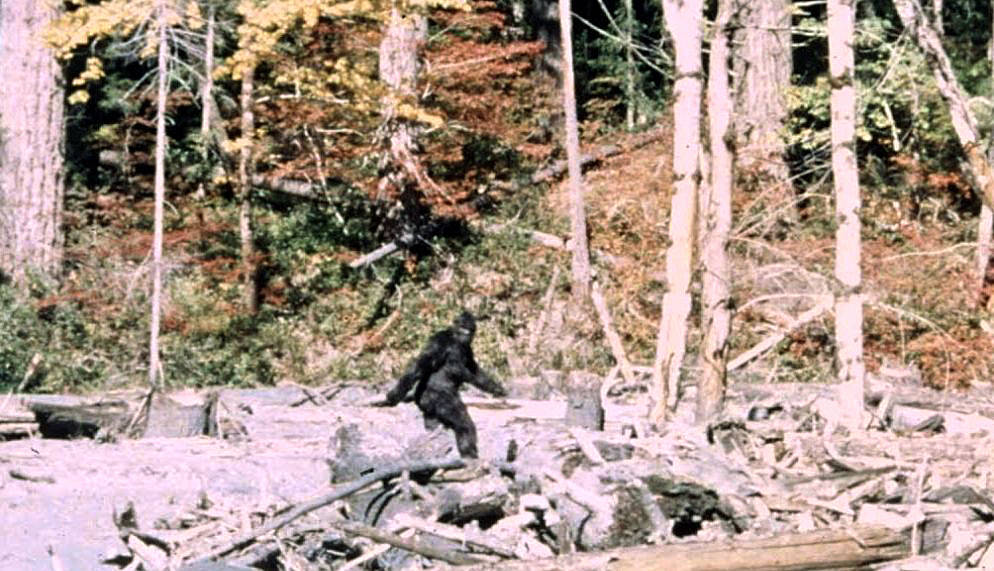
Deep within Northern California’s Six Rivers National Forest lies one of the most recognizable locations in American folklore. On October 20, 1967, Roger Patterson and Bob Gimlin filmed a large, unidentified figure walking across a sandbar beside Bluff Creek.
The footage lasts less than a minute, but its most famous subject, often called “Patty,” has been walking through popular culture ever since.
Flooding, erosion, forest growth, and the passage of time eventually made the exact filming location difficult to identify. The forest was slowly swallowing the scene. The Bluff Creek Project formed to find it again.
Rediscovering the Patterson–Gimlin Film Site
The Bluff Creek Project describes itself as an open-source volunteer effort originally organized to locate the Patterson-Gimlin film site. Members began formally searching the area on foot in 2009, contributing their own time, fuel, equipment, and many hours of fieldwork.
In the summer of 2011, the group reported that it had successfully identified the original location. Volunteers then conducted a detailed survey of surviving trees, landscape features, and other reference points visible in the 1967 footage.
That work provided researchers with new information for studying the figure’s path, surroundings, and apparent size. It also gave one of the most famous images in cryptozoology something it had nearly lost: an identifiable place on the map.
The Project’s field teams have included Jamie Wayne, Robert Leiterman, Steven Streufert, Rowdy Kelley, and other volunteers, researchers, donors, and visitors willing to follow a rough road into the heart of Bigfoot country.
Researching More Than Bigfoot
After locating the site, the Project expanded its mission.
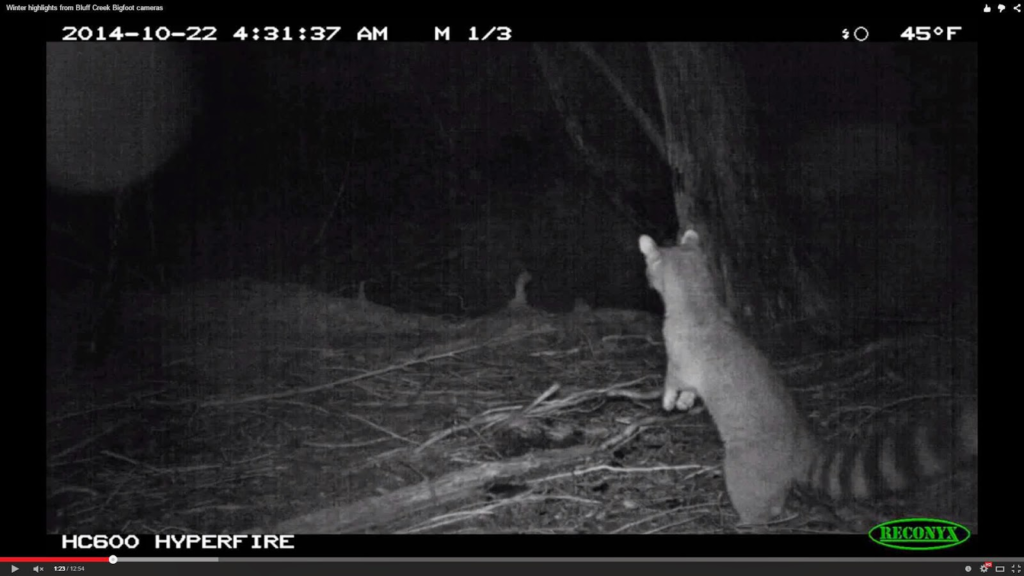
In 2012, volunteers launched a trail-camera survey and installed nine cameras around the film site for the winter season. The cameras remained in the area for approximately seven months, documenting bears, deer, cougars, and other wildlife moving through Bluff Creek.
The Project did not capture a Bigfoot. Bigfoot, as usual, declined to participate.
The cameras did produce valuable observations of the region’s wildlife, including images of the rare Humboldt marten.
The group has emphasized an open-source approach to its research. Rather than withholding footage in hopes of selling a potential discovery, the Project pledged to publish notable images and data for public, noncommercial study.
Its stated position is that if Bigfoot exists, it is most likely a physical animal that could be documented using the same tools employed to study other elusive wildlife. No portals required. At least not yet.
Protecting a Fragile Historic Location
Maintaining the site requires more than setting cameras and waiting for something hairy to wander past.
Volunteers have cleared fallen trees, repaired camera stations, replaced equipment damaged by snow and rain, maintained portions of the historic trail, and attempted to guide visitors away from sensitive areas.
During one 2015 trip, members cleared approximately 300 feet of overgrown trail so hikers would be less likely to create new paths through the surrounding vegetation.
The group has also documented damage at the film site. In 2015, volunteers discovered that vine maples visible in the original footage had been cut down. The Project urged visitors not to cut, remove, rearrange, or modify anything connected to the historic landscape.
That concern became increasingly important as interest in the location grew. By 2018, the Project estimated that approximately 200 people had made roughly 300 visits, far more than the fewer than 20 annual visitors volunteers recalled seeing in earlier years.
The group welcomed public interest while warning that Bluff Creek remains remote, rugged wildlife habitat. It is not a conventional tourist attraction. There is no gift shop, no paved walkway, and no guarantee that the thing watching you from the trees is impressed by your hiking shoes.
Keeping Bluff Creek’s History Alive
The Patterson-Gimlin film remains controversial.
Believers view it as extraordinary evidence of an unknown primate. Skeptics regard it as one of the most successful hoaxes in modern history. The figure may be an undiscovered creature, a person in a costume, or something still waiting for the argument to end.
Whatever walked across that sandbar, the film’s influence is undeniable.
The footage transformed Bigfoot from regional folklore into an international cultural icon. The Bluff Creek Project’s contribution has been to preserve the physical place where that transformation occurred, document its changing landscape, and make its research available to others.
At Bluff Creek, the mystery is only part of the story. The rest belongs to volunteers willing to hike into a remote forest, repair a damaged trail camera, measure an old tree, clear a historic path, and protect a few yards of creek bed that changed American folklore forever.
Learn more, read field reports, and find visitor information through the official Bluff Creek Project website.
And if you visit, leave the trees where they are.
Bigfoot hates redecorating.